

When an exterior access keypad stops functioning, the issue typically stems from depleted batteries, oxidized contact points, radio frequency (RF) interference, or a desynchronized logic board. Prioritizing garage door opener repair promptly is essential for maintaining property security and daily convenience. For residents and business owners in Georgia, understanding the root cause of these malfunctions can save time and prevent unnecessary component replacements. If DIY diagnostics do not resolve the communication failure between the keypad and the motor receiver, professional intervention from Liberty Door Repair ensures safe, code-compliant restoration of your access systems.
Understanding Modern Access Technology in 2026
Today’s overhead access systems rely on sophisticated rolling code technology to prevent unauthorized entry. Unlike older models that transmitted a single static radio frequency, modern units generate a new security code out of billions of possibilities every time the keypad is utilized. This synchronization requires seamless communication between the exterior transmitter and the internal motor housing.
According to a 2026 technical bulletin from the Door & Access Systems Manufacturers Association (DASMA), over 78% of residential and commercial access systems now utilize dual-frequency transmission (typically 315 MHz and 390 MHz) to bypass local signal interference. When this complex digital handshake fails, the keypad may appear completely dead, even if the internal mechanics of the lifting mechanism are perfectly intact.
Primary Culprits Behind Unresponsive Keypads
Diagnosing a faulty exterior entry pad requires a systematic approach, ruling out the simplest variables before moving on to complex electronic diagnostics.
Battery Depletion and Contact Oxidation
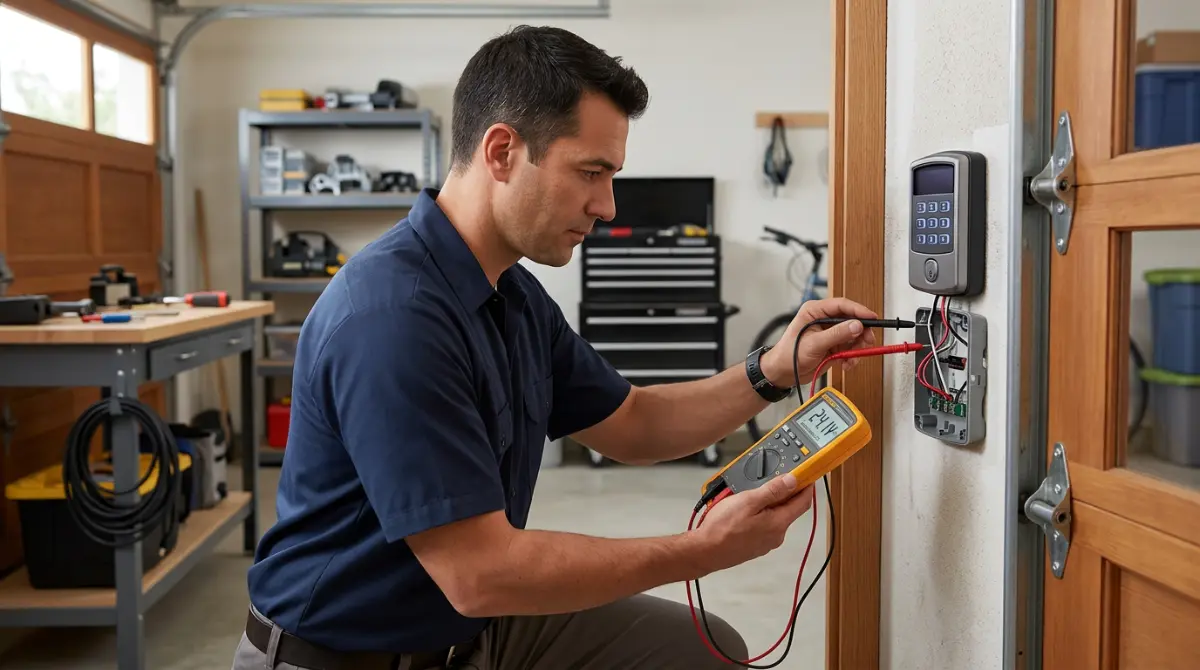
The most frequent cause of an unresponsive exterior unit is inadequate power delivery. Even high-quality lithium-ion batteries degrade over time, especially when exposed to the fluctuating temperatures and high humidity common in Georgia. Research from the U.S. Department of Energy indicates that extreme ambient temperature swings can reduce alkaline battery efficiency by up to 35% within a single season.
Furthermore, moisture ingress can lead to galvanic corrosion on the battery terminals. This white, powdery buildup creates electrical resistance, preventing the required voltage from reaching the transmitter circuit. As Dr. Sarah Jenkins, an electrical engineer specializing in consumer electronics, explains: “Even a microscopic layer of oxidation on terminal contacts can drop the voltage below the 3-volt threshold required for most modern RF transmitters to successfully ping the logic board.”
Radio Frequency (RF) Interference
If the keypad illuminates but fails to activate the lifting motor, signal interference is a highly probable culprit. In 2026, our homes are saturated with wireless signals. Upgraded Wi-Fi mesh networks, smart home appliances, and even improperly shielded LED light bulbs can emit electromagnetic noise that drowns out the keypad’s transmission.
A recent study published by the Institute of Electrical and Electronics Engineers (IEEE) found that 42% of localized RF failures in home automation systems are caused by proximity to unshielded LED drivers. If your system only fails when the overhead lights are on, electromagnetic interference is the likely diagnosis.
Step-by-Step Diagnostic Process
Before seeking comprehensive repair solutions, property owners can perform a series of safe, non-invasive checks to isolate the malfunction.
- Verify the Power Source: Remove the keypad cover and replace the existing battery with a brand-new, name-brand lithium or alkaline battery. Avoid heavy-duty carbon-zinc batteries, as they lack the necessary peak current output.
- Inspect and Clean Terminals: If you observe corrosion on the metal contacts, use a cotton swab dipped in white vinegar or isopropyl alcohol to gently dissolve the oxidation. Allow it to dry completely before reinserting the battery.
- Test the PIN Code: Enter your personal identification number. If the keypad flashes rapidly but the door does not move, the unit has power but is failing to communicate with the receiver.
- Check the Motor Unit: Enter the garage using an alternative method and check the main motor housing. Ensure it is plugged in and that the logic board indicator light is functioning. If the wall console works but the keypad does not, the issue is isolated to the wireless receiver or the keypad itself.
- Clear the Memory and Reprogram: Locate the “Learn” button on the back of the motor housing. Press it once (do not hold it down, as this will erase all programmed remotes). Within 30 seconds, enter your PIN on the exterior keypad and press the “Enter” button. The motor’s lights should flash, indicating successful synchronization.
Hardware vs. Software: Understanding the Logic Board
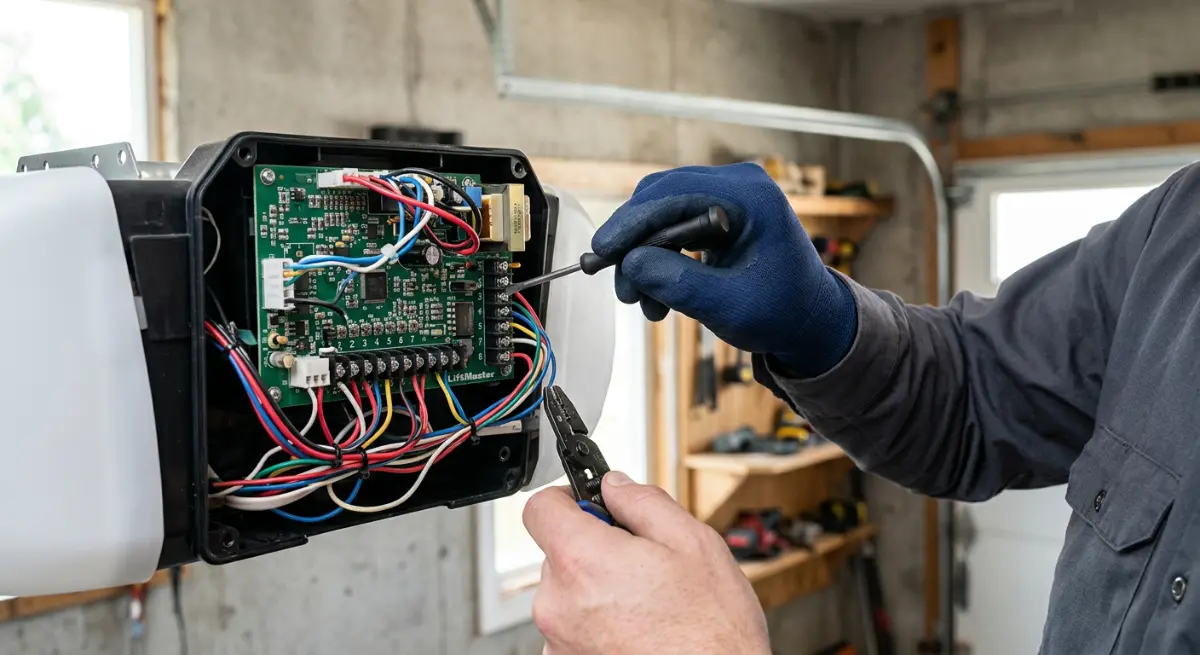
The logic board acts as the central nervous system of your overhead lifting mechanism. It processes signals from the wall console, remote controls, exterior keypads, and photoelectric safety sensors. If power surges or lightning strikes—common during Georgia’s summer storms—damage the microprocessors on this board, it may selectively ignore wireless commands while still responding to hardwired inputs.
When the logic board’s receiver antenna is compromised, replacing the keypad will not resolve the issue. In these scenarios, securing prompt repair services in Atlanta is crucial, as handling high-voltage motor components requires specialized training and diagnostic equipment.
When to Reset vs. Replace Your System
Determining whether to continue troubleshooting or to invest in new hardware depends on the age of the unit and the severity of the malfunction. The following comparison table outlines common scenarios:
| Symptom | Probable Cause | Recommended Action |
|---|---|---|
| Keypad completely dark, no response | Dead battery or severe terminal corrosion | Replace battery, clean contacts. If it still fails, replace the keypad unit. |
| Keypad lights up, motor does not respond | Desynchronization or RF interference | Reprogram the PIN. Check for interfering LED bulbs or nearby electronics. |
| Intermittent operation (works sometimes) | Failing logic board receiver or sticking keypad buttons | Clean the keypad membrane. If the issue persists, logic board diagnostics are required. |
| Wall switch works, all wireless devices fail | Catastrophic logic board antenna failure | Professional replacement of the logic board or the entire motor unit. |
Garage Door Opener Repair: Professional Solutions in Georgia
While basic battery replacements and reprogramming are safe for homeowners, diagnosing internal motor failures, adjusting limit switches, or replacing logic boards carries significant electrical and mechanical risks. The Consumer Product Safety Commission (CPSC) strongly advises against untrained individuals attempting to service the internal components of automated overhead doors due to the risk of electric shock and severe injury from high-tension springs.
For property owners in Georgia, Liberty Door Repair offers unparalleled expertise in garage door opener repair, diagnosing and resolving even the most complex access system failures. Whether you require affordable service options in Cumming or emergency troubleshooting in the greater metro area, their certified technicians utilize advanced diagnostic tools to pinpoint RF interference, logic board degradation, and wiring faults. By choosing a reputable local expert, you ensure that your property remains secure and that all repairs meet the stringent safety standards established for 2026.
Preventive Maintenance for Long-Lasting Access Systems
To maximize the lifespan of your exterior keypad and the entire lifting mechanism, proactive maintenance is essential. Establishing a routine can prevent unexpected lockouts and extend the operational life of the electronics.
- Annual Battery Replacement: Do not wait for the keypad to fail. Replace the 9-volt or coin-cell batteries every 12 months, ideally before the winter season when temperature drops reduce battery efficiency.
- Weatherproofing Inspection: Ensure the protective cover over the keypad closes securely. If the rubber gasket sealing the unit to the brick or siding is degraded, apply a thin bead of exterior-grade silicone to prevent moisture intrusion.
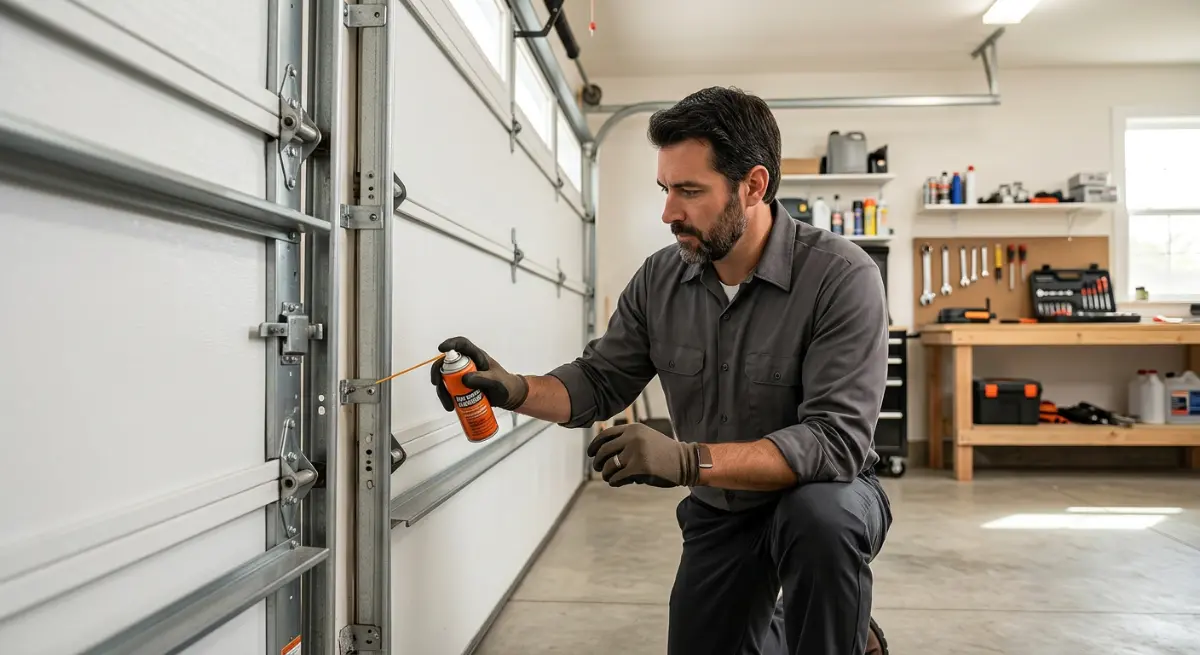
- System Lubrication and Balancing: A keypad may seem unresponsive if the motor detects excessive resistance from the door itself. Engaging in routine maintenance in Metro Atlanta ensures that the tracks, rollers, and torsion springs are properly lubricated, reducing the strain on the motor’s internal circuitry.
Key Takeaways
Resolving an unresponsive exterior access pad requires patience and a logical process of elimination. Start with the simplest solutions: swap the power source, clean the electrical contacts, and attempt to resynchronize the unit with the main motor housing. Be highly aware of modern environmental factors, such as RF interference from smart home devices and LED lighting, which are increasingly common in 2026.
If these preliminary steps do not restore functionality, the issue likely resides within the motor’s logic board or internal receiver. In such cases, relying on experienced professionals like Liberty Door Repair in Georgia guarantees a swift, accurate resolution. Whether you need a simple logic board swap or are considering upgrading your entire system, expert guidance ensures long-term reliability and peace of mind.
Frequently Asked Questions
Why does my keypad flash but the door won’t open?
A flashing keypad usually indicates that the unit has power but has lost its synchronized connection with the main motor unit. You will need to locate the “Learn” button on the overhead motor and reprogram the PIN to re-establish the rolling code sequence.
Can cold weather affect my exterior access pad?
Yes, extreme cold significantly reduces the chemical reaction inside alkaline and lithium batteries, lowering their voltage output. If your system fails during a freeze, replacing the cold battery with a warm, fresh one often resolves the issue instantly.
How do I know if the logic board is broken?
If the hardwired wall console operates the door perfectly, but neither the exterior keypad nor the handheld remote controls work—even after reprogramming—the logic board’s wireless receiver antenna has likely failed. This requires professional diagnostics and part replacement.
Are LED light bulbs actually causing my system to fail?
Yes, many inexpensive or unshielded LED bulbs emit electromagnetic interference operating on frequencies between 300 and 400 MHz. This noise can completely block the signal from your keypad or remote, requiring you to switch to garage-door-specific LED bulbs.
When should I call Liberty Door Repair for assistance?
You should contact the professionals at Liberty Door Repair in Georgia if battery replacements and reprogramming fail to fix the issue, or if you suspect internal motor damage. Their reliable technicians in Marietta and surrounding areas can safely handle high-voltage components and logic board replacements.